Boost Communication Skills: 10 Minute Bedtime Routines

Language Development Speech Therapy Techniques
Image Courtesy of cityparent.com
If you’re a parent, you’re busy. Between the homework, extracurricular activities, and squeezing in time for friends, it can seem challenging to find time to work on those speech and communication skills. To make the most of your time in your busy schedule, try some of these 10 minute bedtime routines and activities that build those skills and help you connect with your child for a few minutes before bedtime. Continue reading

Make S.M.A.R.T. Speech Therapy Goals

Individualized Education Program (IEP) School Speech Therapist Speech Therapy Techniques


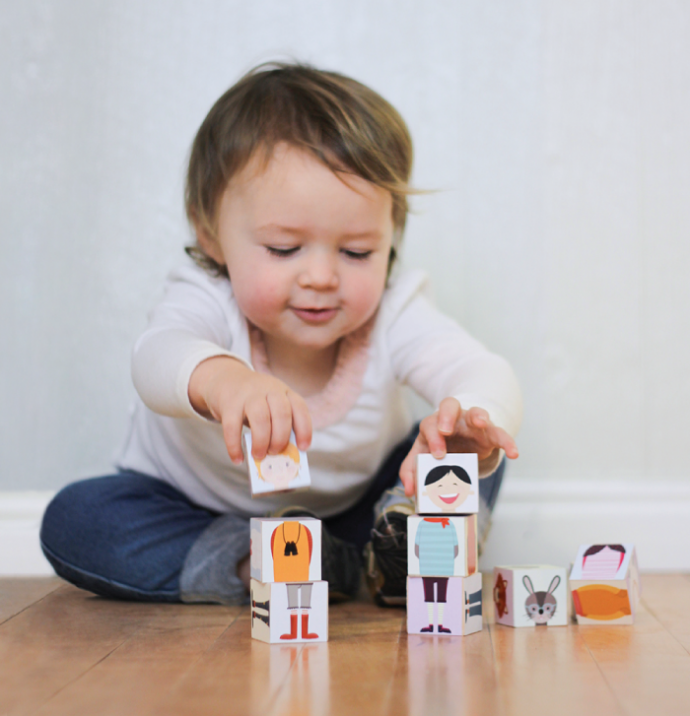
Child builds with Olliblocks

Source: ollibird.com

If you’re the parent of a child in speech therapy, you might sometimes feel like you’re up against a wall of resistance. Maybe there are unknowns when it comes to your child’s speech disorder, and your child might be frustrated with the speech therapy routine or homework. As adults it is easier to see the big picture – that improved communication skills are so valuable for the future and worth the effort. For kids, however, speech therapy can be tiring, hard work, and sometimes even a source of insecurity among peers. Help your son or daughter set and reach speech therapy goals using a traditional business model – S.M.A.R.T. – and you’ll find that speech therapy might just get a little easier, and the goals a little closer. Continue reading

Brush Up on Your Knowlege of Cleft Palates with Great Web Resources

Speech Disorders


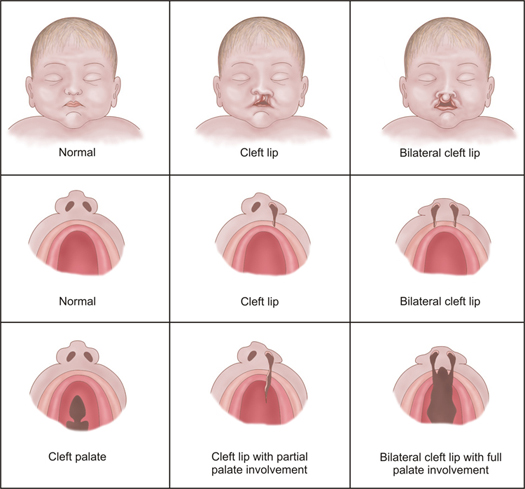
cleft palate types

Source: allianceforsmiles.org

You may already be familiar with what a cleft palate is; perhaps you’ve seen pictures, learned about it in class or know someone with a cleft palate. But treating speech disorders that come with a cleft palates can be hard because a cleft palate brings about a host of variables that make sound production challenging. A cleft palate is a birth defect that can affect the lip, soft or hard palate to varying degrees. It is important to know how the defect arises, treatment options for repair and what an SLP can do in therapy because these defects can be quite complicated to treat. Get to know this disorder with the following web resources:

Continue reading

Best Practices in Teaching Bilabial Speech Sounds

Speech Therapy Techniques
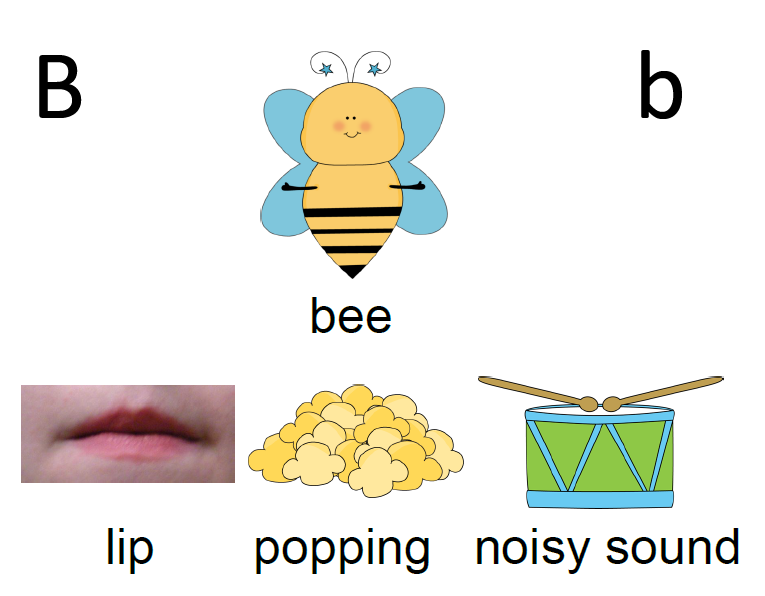
B sound speech therapy visual

Source: expressivelyspeaking.wordpress.com

Baby babbling is usually the classic example of bilabial sounds, like “bababa” and “mamama.” Bilabial speech sounds are those that are made by using both lips, pressed together for sounds like /p/, /b/, and /m/. These sounds are usually mastered by age three but can be lingering challenges with children affected by speech sound disorders. They can be challenging to tackle so here are some suggested best practices for speech therapy.

Continue reading

Great Materials for Getting Rid of Gliding in Speech Therapy

Speech Therapy Techniques


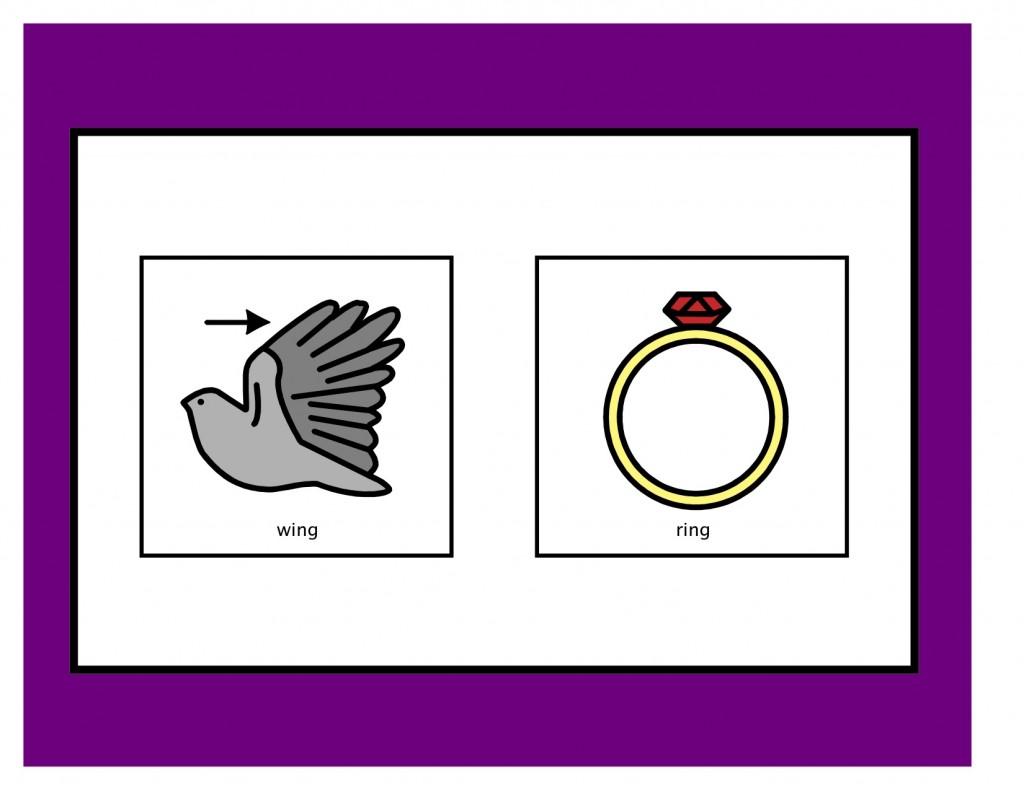
r and w minimal pair cards

Source: adventuresinspeechtherapy.wordpress.com

Gliding is the term used to describe a phonological process that occurs when someone replaces specific consonant with “w” or “y”. There are different types such as replacement with liquids or fricatives but let’s talk about liquids, /l/ and /r/ with replacements by /w/ or /y/. You might here “yego” instead of “lego” for “wun” instead of “run.” In this case, a child is having difficulty with an entire class of sounds and that’s why it is referred to as a phonological process. While it typically disappears by age five, speech therapists are often confronted with gliding at much later years and attempts to reduce it can be tricky. Fortunately there are a variety of great materials available to get rid of gliding in speech therapy.

Continue reading