
The Green Mountain state is a beautiful place to raise a family. In particular, I’ve always enjoyed the view from Mount Equinox, especially when the fall foliage is at its peak. But depending on where you live, it may be a little more difficult to find speech therapy resources and other special needs resources than it would be if you lived in a huge metropolitan area like New York City. When in doubt, contact your local school district for assistance. Ask them about government-funded programs, private school programs, and other special needs resources like advocacy groups and support groups. And check out our list below to help you get started.

Special Needs Kids in Tallahassee: Finding Resources in the Sunshine State
State ResourcesSunny, humid Tallahassee is a center of trade in Florida. It’s come quite a long way since General Andrew Jackson fought skirmishes there during the First Seminole War. Today, it’s home to several colleges (Go Seminoles!) and the Tallahassee area offers numerous resources for families with special needs kids. You can also take advantage of statewide resources, like the Exceptional Education & Student Services agency of the Florida Department of Education.
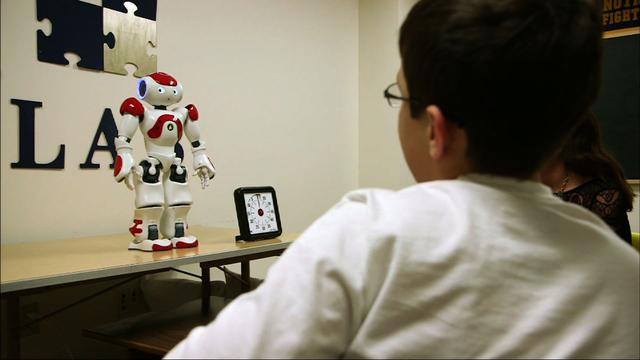
Can a Robot Help Autistic Children Learn to Speak?
NewsIf you’ve been struggling to get your autistic children to articulate words – or say anything at all, for that matter – this news update is for you. Researchers at Notre Dame have been using robots with autistic children and seeing great results with eliciting speech and even producing spontaneous vocalizations. Part of that is almost certainly because most kids tend to love robots. Some autistic children in particular seem to be attracted to tech-related subject areas. So if your child is obsessed with R2D2 and C3PO to the point at which you’re already making plans to bring your family to Disney’s upcoming “Star Wars” attractions, check out this promising study.
Teaching Kids to Read in Ohio… Or Else! What the New Law Means for Your Child
NewsEveryone has tough days at work. It’s inevitable whether you’re a speech therapist hunting down the latest speech therapy techniques, or you’re an esthetician fielding requests for crazy spa treatments like bee venom facials. (Yes, they’re a real thing.) But while most of us don’t have to deal with bee venom at work, most of us do have to deal with office politics… and some of us deal with politicians setting office rules. Teaching kids to read is no longer the sole jurisdiction of teachers, parents, and speech-language pathologists (SLPs). Case in point, if you’re a teacher in Ohio, you are now legally required to hold back a child if he cannot meet the state reading requirements. It’s referred to as the reading retention program, and Ohio is the latest in a string of states to implement it. Here’s the lowdown on the law and what it could mean for your child.
Hearing Loss in Children & Speech Intelligibility: Is Integration Right for Your Child?
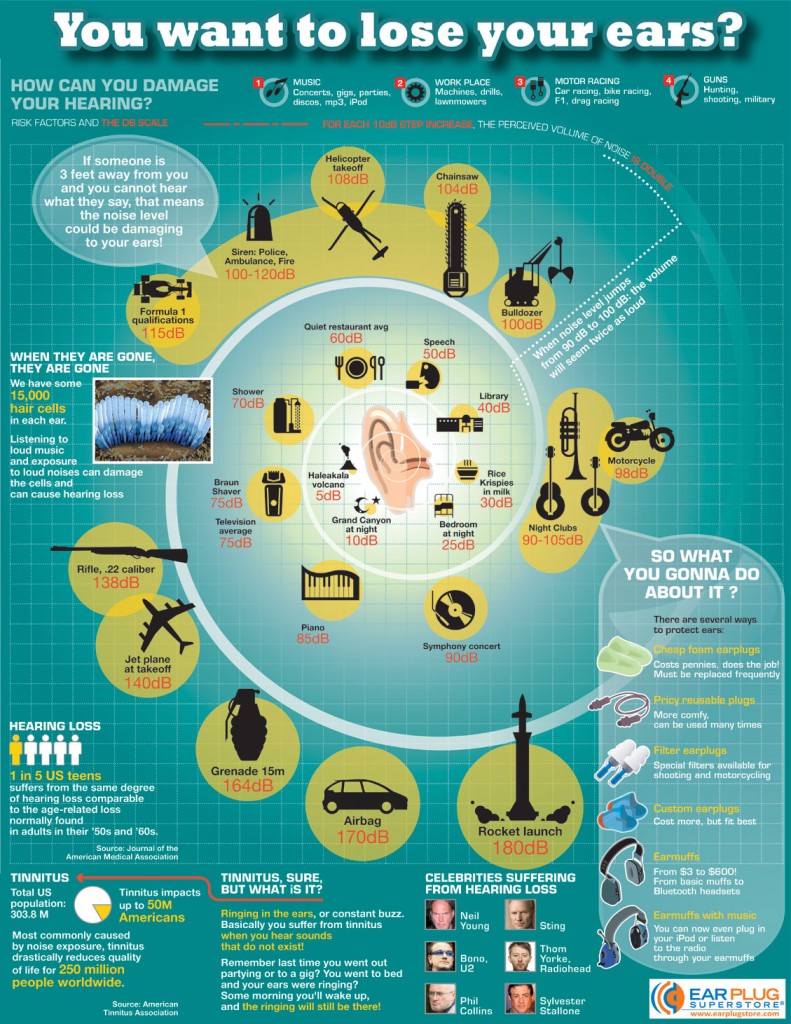
Hearing Loss NewsHearing loss in children necessitates close collaboration with teachers, the special education team, and speech therapists. If you’ve been dealing with speech therapy and special education for a while now, you’re probably already familiar with the concept of integration in the classroom. Some children might head to the special resources room for speech therapy and similar sessions during the school day, for example, while others remain in the classroom for speech therapy in that setting. In the latter case, a speech therapist or aide will work with the child as he participates in classroom activities, and the speech therapist will also work closely with the teacher. Still other children are taught exclusively in special needs groups or schools. The important thing to remember with all these different models is that there is no “one size fits all” solution. Your child is unique and has his own unique needs. So it’s critically important to work with the Individualized Education Program (IEP) team to determine what suits your child best.
A recent study examined hearing loss in children. These kids were integrated into a typical classroom. The researchers who were involved in the study wanted to determine the effects of hearing loss in children on social competence and inclusion.