Using Augmentative and Alternative Communication (AAC) Devices

Speech Therapy Techniques
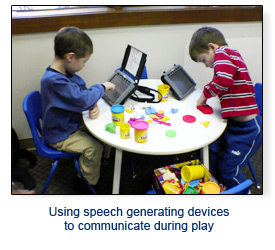
Children Using AAC Devices

Image source: CLASS, Inc.

Speech disorders can range from problems with articulation to problems speaking any words at all, such as selective mutism. Children who cannot speak at all or those who speak very little have difficulty expressing their basic needs and wants. This can become frustrating for them, which may sometimes result in behavioral issues. One solution is providing your child with an alternative means of communication.
Continue reading

Dealing with Phonological Disorders

Speech Disorders Speech Therapy Techniques

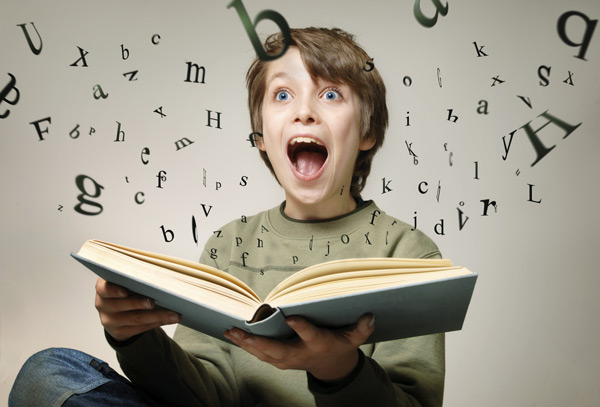
Child Reading Book

A child’s phonological development refers to the process a child follows when learning the sounds that make language. This involves learning to distinguish different sounds (“up” is different than “cup”) as well as how these sounds fit together to make words. If your child is diagnosed with a phonological disorder, it means that he has trouble distinguishing the patterns of sounds in language. He might not understand the rules of how sounds fit together to make words.

Continue reading

Art Activities in Speech-Language Therapy

Speech Therapy Techniques
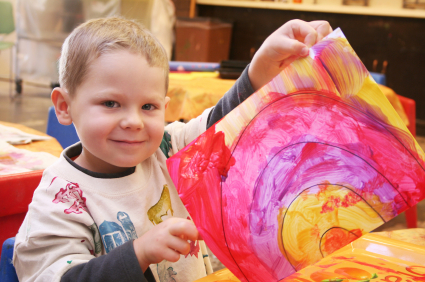
Child Holding Up Painting

Image source: childminderwidnes.co.uk

There are two main styles of speech therapy: directive and naturalistic. A directive approach is more structured. The speech therapist might hold up an object, name it, and prompt the child to repeat the word. In contrast, the naturalistic approach may simply look like play. It’s less structured, and it often involves arts and crafts activities. Finding ways to fit art activities in Speech-Language Therapy is a rewarding exercise, and certainly worth considering.

Continue reading

Singing in Speech-Language Therapy

Speech Therapy Techniques
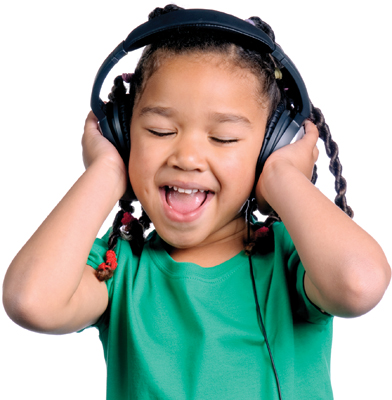
Child Singing with Headphones

Image source: nymetroparents.com

Studies have shown that patients who have trouble speaking after a stroke can learn to sing their words instead. This is called melodic intonation therapy (MIT), and it may also help your child deal with his speech disorder. The use of MIT in speech-language therapy (SLT) can particularly help children who have apraxia. Apraxia is a neurological disorder in which the brain understands the words, but the mouth cannot form them. Children with apraxia often use gestures and single syllable grunts.

Continue reading