
As you watch your newborn grow, you will undoubtedly make a note of every milestone of development. While every child develops at a different rate, your baby may lift his head up when he is a month old, roll over at six months, and begin teething at four to seven months. Likewise, language and speech development is a gradual process. Don’t worry if your baby is a little off the typical development schedule.
Does Your Child Need Speech Therapy?
Speech DisordersEvery child develops speech at his or her own pace. If you think your child might have a communication problem, you should consider seeking professional help sooner rather than later. While there is no “set age” at which these problems arise, early detection and intervention is the most beneficial for the child.
Art Activities in Speech-Language Therapy
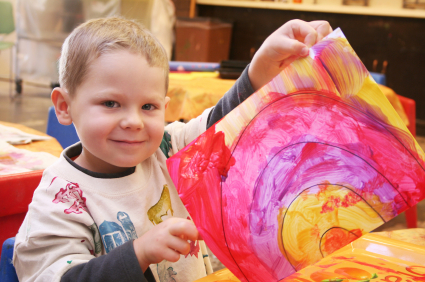
Speech Therapy TechniquesThere are two main styles of speech therapy: directive and naturalistic. A directive approach is more structured. The speech therapist might hold up an object, name it, and prompt the child to repeat the word. In contrast, the naturalistic approach may simply look like play. It’s less structured, and it often involves arts and crafts activities. Finding ways to fit art activities in Speech-Language Therapy is a rewarding exercise, and certainly worth considering.
Easy Speech Therapy Tips for Children
Speech Therapy TechniquesNot every child with a speech disorder or delay requires years of intensive therapy. Some communication problems are minor. With a little persistence, you can work on issues like proper pronunciation with your child between therapy sessions. Always ask your child’s speech therapist about activities that would be most effective for your child. It can also be helpful to observe the speech therapy sessions so that you can understand the techniques being used.
Singing in Speech-Language Therapy
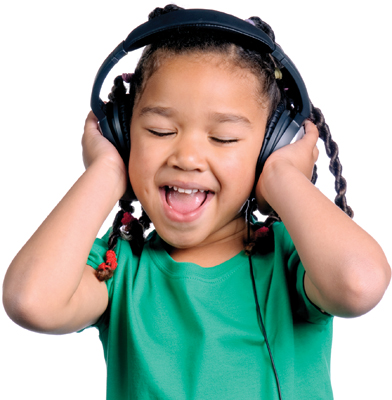
Speech Therapy TechniquesStudies have shown that patients who have trouble speaking after a stroke can learn to sing their words instead. This is called melodic intonation therapy (MIT), and it may also help your child deal with his speech disorder. The use of MIT in speech-language therapy (SLT) can particularly help children who have apraxia. Apraxia is a neurological disorder in which the brain understands the words, but the mouth cannot form them. Children with apraxia often use gestures and single syllable grunts.