
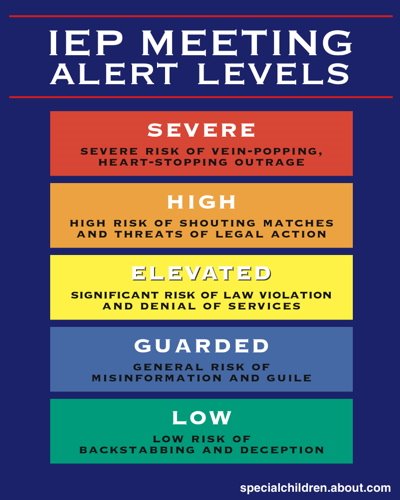
Under the Individuals with Disabilities Education Act, a child who qualifies for special education requires an Individualized Education Program (IEP). This is a written treatment plan that describes your child’s speech therapy needs and how they will be met within the public school system. After your child is evaluated by an interdisciplinary team of professionals, you will receive a notice for an IEP meeting. During this meeting, the team will discuss your child’s needs and write his IEP if he is eligible for special education.

How to Help Siblings Cope
Speech DisordersAny parent with more than one child knows how much of a juggling act it can be to balance your time evenly amongst all the kids. Being the parent of a child with special needs has an even greater impact. Much like a new baby who abruptly diverts time and attention away from the older siblings, a child with a speech disorder necessitates a period of adjustment for the rest of the family.
How to Foster Language Development
Language DevelopmentEvery child develops at his own pace; however, there are certain language milestones to watch for. For example, many children begin to form short, simple sentences by the time they turn two years old. You can help foster your child’s language development by using some simple communication techniques.
Common Reasons Why a Speech Therapy Insurance Claim is Denied
Financial ResourcesThe term “health insurance company” might be synonymous with “red tape,” but your child does not have to be caught in the crosshairs. Understand the common reasons why an insurance claim for speech therapy might be denied before you submit the paperwork. Thoroughly review your healthcare policy and then submit the claim with all of the required supporting documents. Even if your claim does get rejected, you can always file an appeal.
Language Sequencing Problems
Speech DisordersWhat Is It?
A language sequencing problem is a language-based learning disability, sometimes called a language-learning disability. That means that it is a type of learning disability characterized by problems with language. A child with a language-based learning disability like a language sequencing problem may display issues with spoken and/or written language.