
Speech therapy techniques like Speech Buddies can help special needs kids achieve clear articulation, but what about those who are nonverbal or those who have extremely limited speech abilities? Your child’s speech-language pathologist (SLP) might recommend the use of an augmentative and alternative communication (AAC) device. An AAC device is any tool that facilitates nonverbal communication. An AAC device may be an aided device, which means that it is an actual, physical object like an electronic reader or the picture exchange communication system (PECS). Or an AAC device may be unaided, which means that the child uses facial expressions, gestures, or sign language to communicate. Talk to your child’s speech therapist about whether an AAC device may be right for him.
Got a Hyperactive Youngster? Try These Speech Therapy Activities for Kids On the Move!
Speech Therapy TechniquesMany at-home speech therapy activities and techniques, such as Speech Buddies, can often be squeezed into a few minutes here and there before bedtime, while making dinner, etc. In many cases, simply knowing how to talk to your speech disordered child can make a huge difference. But did you know that you can also customize your child’s favorite sport to turn it into a fun speech therapy session?
Best Resolutions for Caregivers This New Year
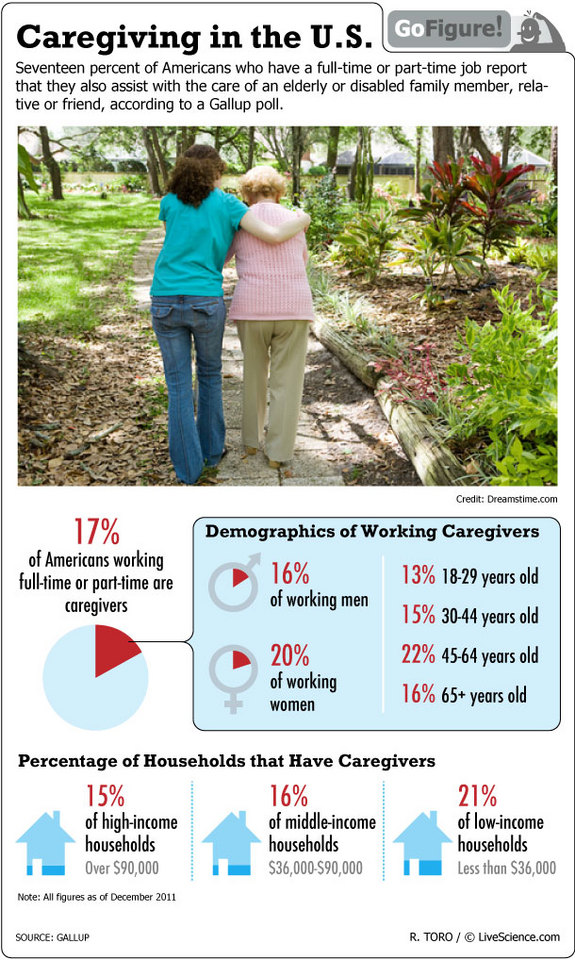
NewsHave you made your New Year’s resolutions yet? Many of us will start 2013 bound and determined to lose weight, de-stress, de-clutter, or get out of debt. Typical New Year’s resolutions focus on self-improvement. But if you’re the parent or caregiver of a special needs child, taking care of your own needs often takes a backseat. You’re probably too busy implementing the latest speech therapy techniques, driving your kids to occupational therapy sessions, etc. And when you’re not wrapped up in caregiver duties, you’re probably desperately trying to fulfill all of your career responsibilities – from preparing sales presentations to dealing with workplace uniforms to boost your company’s brand. And amidst that insanely busy schedule, there’s probably very little time to address your own needs. This New Year’s, resolve to take care of yourself so that you can better take care of everyone else.
Build Your Child’s Vocabulary! Top Speech Therapy Activities
Speech Therapy TechniquesSpeech therapy activities often work to improve a child’s understanding of language. If you’ve read our recent posts on boosting expressive language and receptive language skills in children, you’ve probably already realized that vocabulary has a lot to do with those crucial areas. After all, how can your youngster follow your direction to “Stop aggravating your sister, Billy!” when he does not yet understand the word “aggravating”? Before jumping to the conclusion that your tiny tot is in a rebellious stage and is purposefully trying not to follow directions, consider whether he understands the vocab you’re using.
Building a child’s vocabulary probably sounds like a tedious task. But you can banish those images in your head of long hours spent doing flashcard drills (unless, of course, your youngster actually – gasp! – enjoys doing flashcards). Building your kidlet’s vocab can – and should – be fun! There are countless games you can play that helps strengthen vocab skills, and I’ve listed a few of them in this post to get you started. As always, it’s important to collaborate with your child’s speech-language pathologist (SLP). She can point you in the right direction for speech therapy activities that suit your child’s needs.
At-Home Speech Therapy for Expressive Language Skills
Speech Therapy TechniquesSpeech therapists have countless tricks up their sleeves, along with at-home speech therapy techniques they can teach to parents. One of the many facets of language that a speech therapist can teach your child is expressive language skills. If your child has an expressive language disorder, it means that he has difficulty using language to communicate, or in other words, expressing himself. Your child might have limited speech or he might be entirely nonverbal. Communication difficulties can be extremely frustrating for your child. He might know what he wishes to say, but cannot verbalize it.
Sometimes, speech and language impairments can encourage the frequency of temper tantrums and similar behavioral problems because the child is so frustrated from being unable to make his wishes known. If your child has difficulty speaking, a speech-language pathologist (SLP) can help. To accelerate your child’s progress, talk to the SLP about at-home speech therapy techniques to use at home.