
Top 4 Cleft Palate Speech Therapy Techniques

Speech Therapy Techniques
Child with Cleft Palate

Image source: Nhs.uk

Orofacial clefts, or cleft lip and cleft palate, are among the most common birth defects. In fact, according to KidsHealth, about 1 to 2 out of every 1,000 babies in the U.S. is born with clefts. This medical condition occurs due to improper development in the womb. If your baby has a cleft palate, it will almost certainly be diagnosed at birth. Your child’s pediatrician will evaluate him for treatment. Most of the time, surgery can help. However, surgery may not be performed right away, and your baby may need additional surgeries later on. Your little guy might still experience speech difficulties after surgery, which can be addressed by a speech-language pathologist (SLP).
Continue reading

Best Speech Therapy Techniques for Children with Cerebral Palsy

Speech Disorders
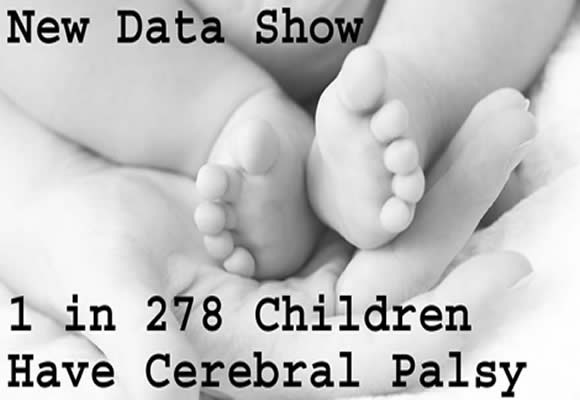
Cerebral Palsy Infographic

Image source: Nursingcrib.com

Cerebral palsy (CP) is a congenital disorder that can cause a wide range of health issues. It is typically diagnosed in infancy or around the time that a child enters preschool. There are three types of cerebral palsy: spastic, athetoid, and ataxic. Although there is no cure for cerebral palsy, treatments such as speech therapy can vastly improve the child’s quality of life. The child will most likely require speech therapy on a long-term basis. If your child is diagnosed with CP, consult his pediatrician, speech-language pathologist (SLP), physical therapist, occupational therapist, and other specialists to develop a treatment plan that suits his needs.

Continue reading

Speech Disorders in Children: What to Do About Dysarthria

Speech Disorders
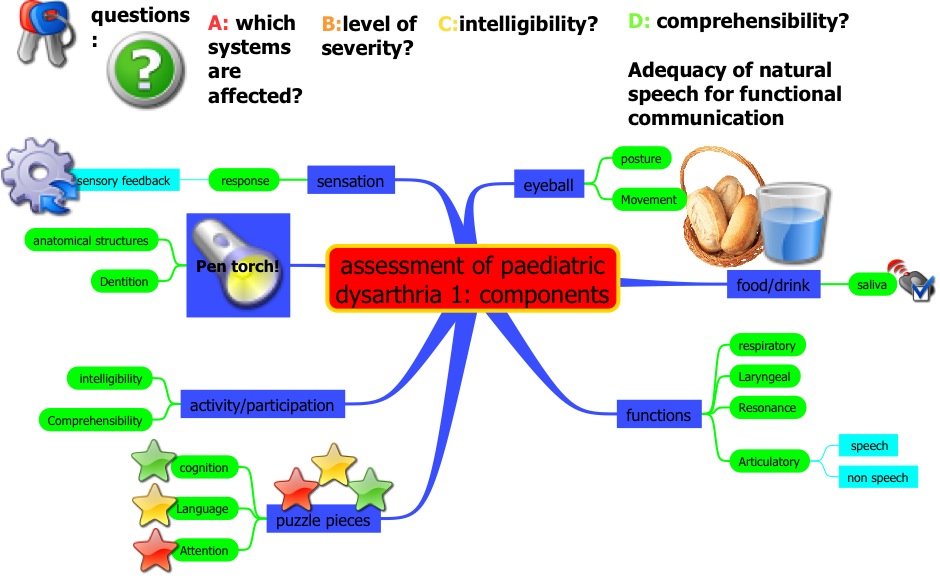
Dysarthria Speech Disorders in Children

Image source: Novamind.com

As a parent, you do whatever you can think of to keep your child safe. You make sure he rides his tricycle with a helmet, you strap him snugly into his car seat, and you even have your mechanic check out every unusual noise to make sure the car is safe. But accidents have a way of happening even when you take every safety precaution. And if your child suffers a head injury, he might also develop one of the many possible speech disorders in children, such as dysarthria.

Continue reading

Attention Parents: Real Advice from the Mother of a Special Needs Child

Interviews
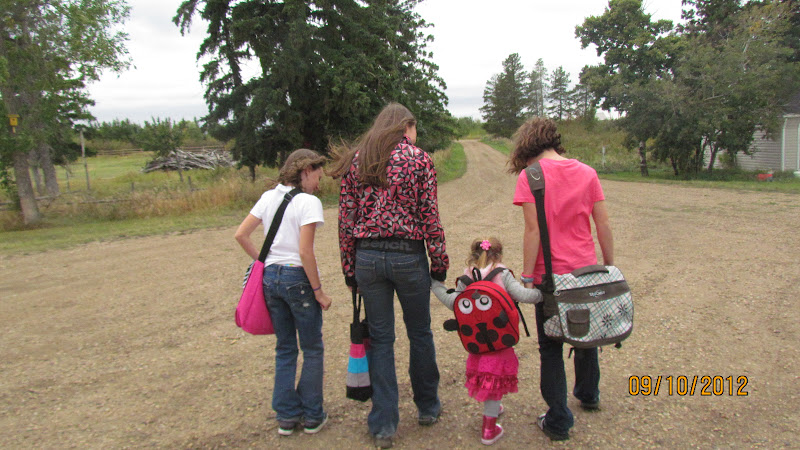
Laura's Kids on the First Day of School

Courtesy: Laura

This week, Laura of Down Syndrome – Up Up Up and Away! is sharing her family’s story of life with Down syndrome (DS). DS can cause a range of physical and cognitive symptoms, including speech and language delays. Laura’s daughter K has Trisomy 21, which means that there is an extra copy of chromosome 21. Like other special needs children, K has more than proven that she can flourish with the proper therapies and treatments. Not only did K begin reading before she was 2 years old, she also began reading new books by the time she was 3 1/2. Laura also points out that for the typical special needs child, reading is a visual form of speech, and it can positively impact verbal communication.

Continue reading

Speech Delays in Children: Could it Be Neurofibromatosis?

Speech Disorders
Hypochondriac Cartoon

Image source: Someecards.com

If you’ve spent any amount of time researching disorders and speech delays in children, you probably already know how easy it is to acquire a slight case of hypochondria. And if you’re a parent, you may know just how easy it is to become a hypochondriac by proxy. You want the best for your child, so you do some in-depth investigating on WebMD or the Mayo Clinic’s website into every sniffle and sneeze. But sometimes a seemingly innocuous issue like a communication problem really can be a sign of a more serious medical condition. Speech delays in children should be evaluated by a licensed speech-language pathologist (SLP). If your child has speech and language problems, and also has other symptoms like multiple birthmarks and skeletal abnormalities, he may also need to be evaluated for neurofibromatosis.

Continue reading