So You’ve Bought Your Child an IPad, Now What?

Speech Therapy Techniques
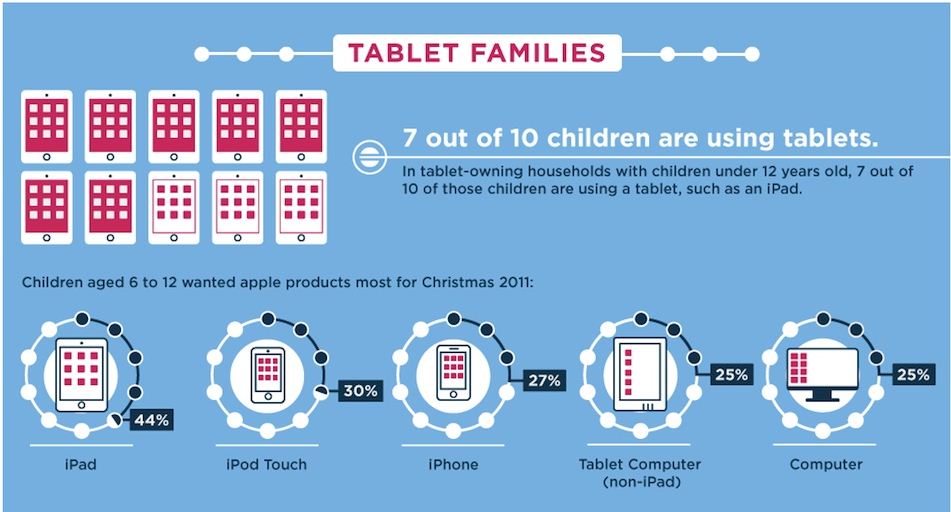
Facts on Families and iPads

Source: www.parenting.com


You’ve heard all the buzz, you’ve seen your child’s peers with one, you’ve waited for hours at the Apple store and finally got your child an iPad, so now what? This holy grail has become a bit confusing for parents and educators to navigate. It promises so much. It might help your child communicate, could improve their reading skills, helps with math and more! All lofty promises, but first things first, here’s what you should do once you’ve got an iPad, step by step.

Continue reading

GiGi’s Playhouse for Down Syndrome Support Opens in the Twin Cities

State Resources
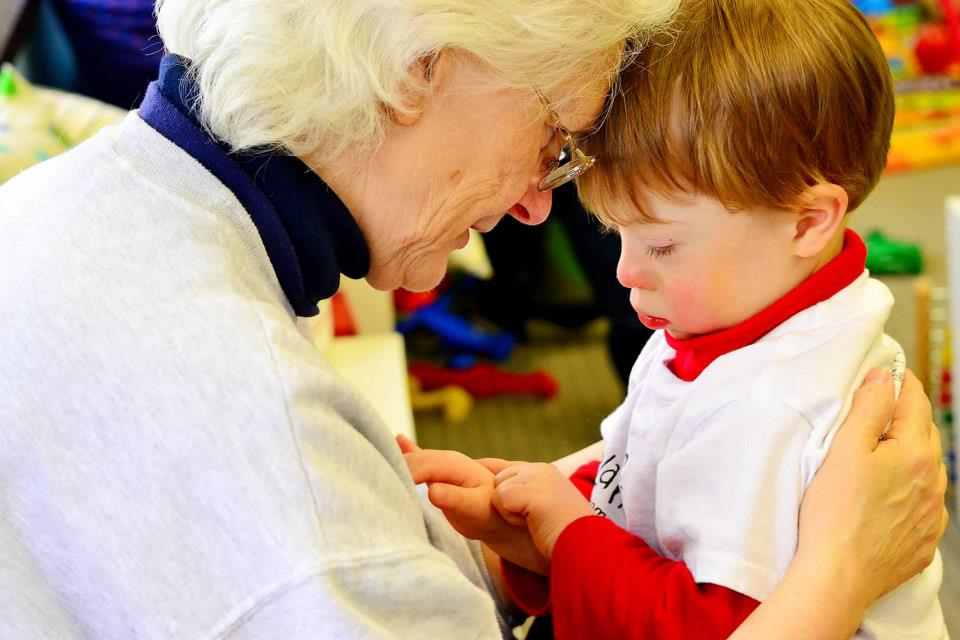
Families at GiGis Playhouse Twin Cities

Source: Facebook.com/gigisplayhousetc

While some dreaded the cold days of February, many cheered with celebration as GiGi’s Playhouse Twin Cities officially opened its doors on February 9. For families affected by Down syndrome in the Twin Cities, GiGi’s Playhouse is a welcome network of support, play groups and educational opportunities for children, siblings, adults and the community. They provide therapeutic activities to encourage speech- language development, fine motor skills, gross motor, math and literacy.


Continue reading

5 Great Spring Break Activities for Children with Special Needs

Other Resources
Kids running outdoors

Source: sheisdallas.com

Spring break can be a great opportunity to engage your child in new activities, even you aren’t traveling to a luxurious locale. It is also a great time to work on generalizing speech and language skills. In speech-therapy, it’s important to remember that getting away from the environment in which we were taught a skill is the best way to generalize and reinforce the lesson. Take advantage of spring break and consider the following activities for your child:

Continue reading

What you Need to Know about Assistive Technology

Speech Therapy Techniques

For people without disabilities, technology makes things easier. For people with disabilities, technology makes things possible–International Business Machines (IBM) 1991 training manual


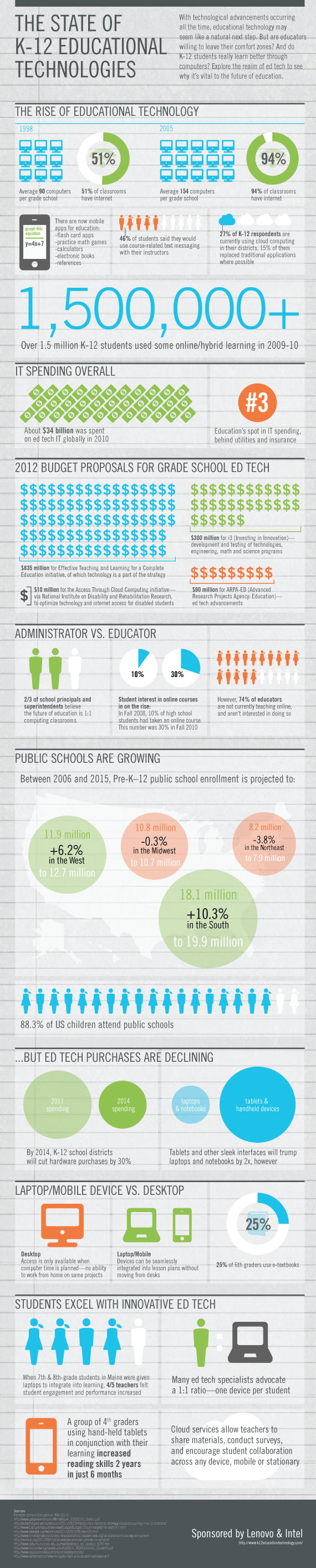
k12 Education and Technology

Source: k12educationtechnology.com


Most of us use technology on a daily basis. Perhaps you use a cell phone calendar to remember your schedule. You might use Google maps to direct you to where you’re going, or you might adapt your e-reader with an increased font to make the text easier. If you use one of these, you use technology to make your life easier. For students with learning disabilities, whether cognitive or physical, assistive technology aims to enhance and improve educational opportunities with the use of the latest technology. They do this by bypassing, working around, or compensating for a child’s specific learning disabilities.  In speech-therapy, assisstive technology is used to provide access to communication tools that help a child read, write, express or comprehend language.


Continue reading

Stuttering Treatment Can Improve Speech for Children with Down Syndrome

News


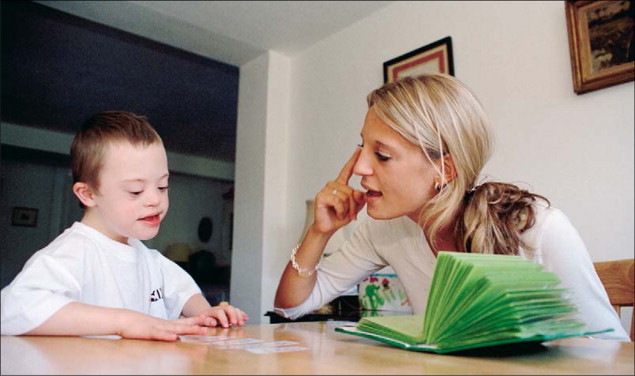
Boy with Down Sydrome in Speech Therapy

Source: thelancet.com

Down Syndrome is the most frequently occurring chromosomal disorder and impacts a child’s development with regards to language, cognition and motor skills. Children with Down Syndrome routinely receive and benefit from speech-therapy for improvement of articulation, development of syntax, grammar and semantics. What most people don’t know is that many children and adults with Down Syndrome struggle to communicate due to disfluency, or a stutter. Though the two terms, stuttering and Down Syndrome might not seem to go together often, it occurs is as many as 45% of adults and 50% of children. Though research regarding best practices for treatment have been largely limited, a new study from the University of Alberta aims to change that.

Continue reading