Types of Hearing Aids for Children

Hearing Loss


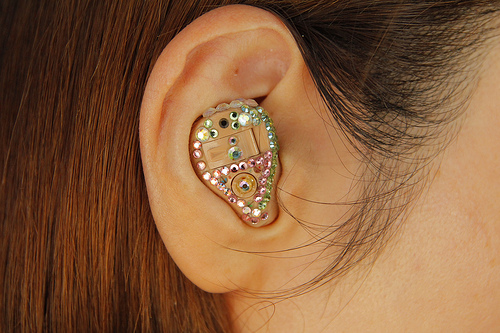
Decorated In-the-Ear Hearing Aid

Image Courtesy of ehwhatuh.com


Hearing aids are unlike cochlear implants in that they amplify sound, rather than directly stimulate the auditory nerve. These battery-operated devices receive sound waves via a microphone. The sound waves are then converted into electrical signals. You’re probably accustomed to seeing hearing aids on the elderly, but they may also be used for children as young as four weeks old. If your child is diagnosed with hearing loss, talk to his pediatrician about whether he might be a good candidate for a hearing aid.

Continue reading

Winston Churchill’s Dentures

Speech Disorders
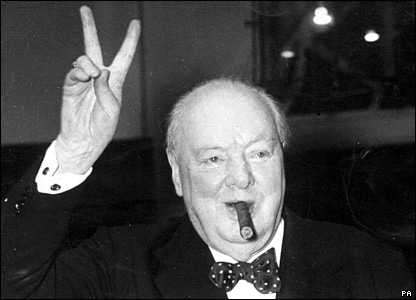
Winston Churchill Flashing Victory Sign

Image source: Sunlituplands.org

We shall go on to the end, we shall fight in France, we shall fight on the seas and oceans, we shall fight with growing confidence and growing strength in the air, we shall defend our Island, whatever the cost may be, we shall fight on the beaches… we shall never surrender…

Winston Churchill didn’t have the advanced wartime technology of today at his disposal, but he did have his words. He used them to great effect (despite all those run-on sentences). Churchill delivered his “We Shall Fight on the Beaches” speech before Parliament in 1940. He was concerned about only one thing: defending his beloved island. (Well that, and stopping the Nazi advance.) He had to tell Parliament about a disastrous military defeat and discuss the possibility of a Nazi invasion, yet simultaneously boost morale. And he did it all with a speech impediment (or possibly two).

Continue reading

Hearing Loss Support Groups

Hearing Loss
Parent Talking with Doctor

Image source: Webmd.com

Support groups have a reputation for being those things held in dusty old buildings with creaky metal chairs and bad coffee, in which people stand around crying and hugging each other. You probably have this image in your head because you’ve seen “Fight Club.” But support groups are quite often so much more, even if they lack the hip stylings of Edward Norton and Helena Bonham Carter. They are dynamic groups of people who come together to affect positive change – and yes, to offer each other encouragement and emotional support. You don’t need to face your child’s hearing loss diagnosis alone. Even if you think you have a handle on everything, emotionally speaking, disability support groups can provide assistance with legal advocacy and so much more.

Continue reading

Sudden Hearing Loss

Hearing Loss
Man with Sudden Hearing Loss

Image source: Foheidsobei.blogspot.com

If you’ve ever watched action or war movies that feature large bombs or quick explosions with a grenade, you’ll likely notice a common theme. The action hero can’t hear much afterward. He looks confused. People shout at him, but he can’t hear them. He’s experienced sudden hearing loss. Quite often, acquired hearing loss progresses slowly. If you frequent rock concerts or work with power tools often, you might notice a stealthy, gradual decline in hearing. But hearing loss can also occur quite abruptly. Sudden hearing loss can affect any age group, including children. However, it’s more common amongst those in their 60’s. Sometimes the condition resolves itself or gets better with treatment, but sometimes it doesn’t.

Continue reading

How the Healthcare Law Affects Autism Coverage

Legal Issues
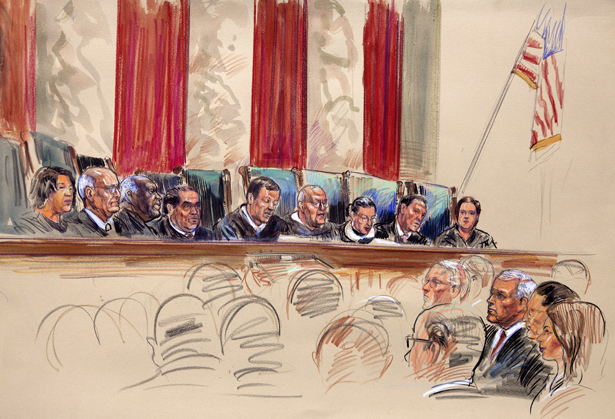
Supreme Court and Healthcare Law

Image source: Thenation.com

Depending on whom you ask and which PR campaign you wish to believe, it’s called the Patient Protection and Affordable Care Act (PPACA), the Affordable Care Act (ACA), or simply, Obamacare. President Obama signed the healthcare law on March 23, 2010, and it was upheld by the Supreme Court on June 28, 2012. The healthcare law was intended to decrease costs and increase the number of insured Americans. Whether you prefer to call the law “Obamacare” or the “Affordable Care Act” is a strong indicator of whether you approve of the law or not. Few healthcare laws have been met with as much controversy as the ACA. Even the autism community appears quite divided. It’s not the purpose of this post to say whether the law is good or bad, but rather to discuss the potential impact of the healthcare law on autism coverage. You can read the full law here.

Continue reading