Using Apps to Improve Articulation

Speech Therapy Techniques
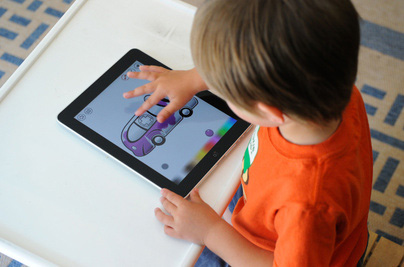
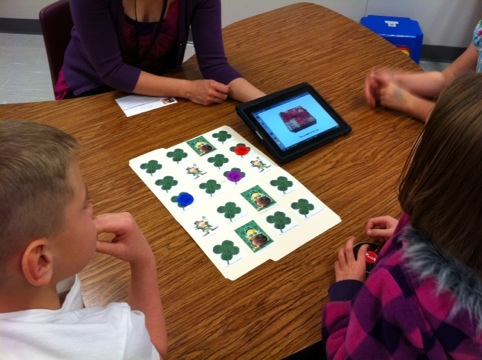
Speech Therapist Working with Articulation App

Image source: saywhatyall.wordpress.com

Young children often say “wabbit” for “rabbit” and “nana” for “banana.” While this is normal, bring your child to a speech-language pathologist (SLP) for an evaluation if these articulation issues continue past the expected age. An SLP can help your child produce the correct sounds. Encourage your child’s progress by working with him on speech therapy activities at home. Try old-fashioned, low-tech toys as well as high-tech apps that were designed specifically for children with articulation problems. You can also use Speech Buddies to teach proper tongue positioning.
Continue reading

Top Toys for Speech Therapy

Speech Therapy Techniques
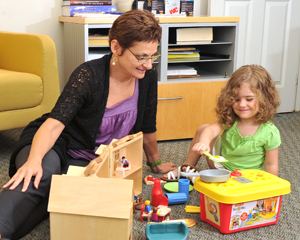
Parent Playing with Child

Image source: physorg.com

While speech therapy is definitely going digital, you can still reap the benefits of using timeless toys like dolls and games to elicit communication and encourage proper sentence structure. Many speech-language pathologists (SLPs) customize their use of toys to the child’s individual interests. For example, an SLP might use a Grover doll for a child who loves “Sesame Street” or a Disney character for a child who loves “Aladdin.” Keeping the child engaged in learning is crucial to encourage progress.

Continue reading

Storytelling with Apps

Speech Therapy Techniques
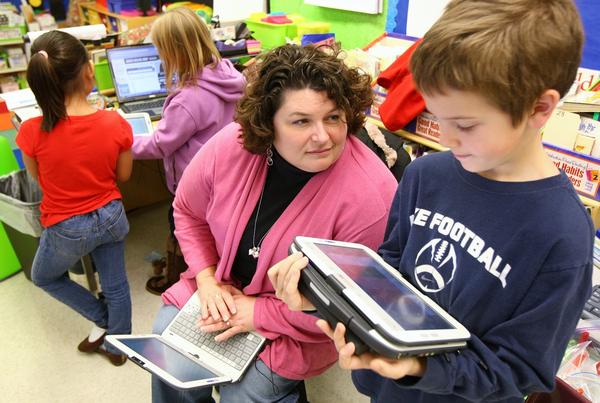
Child Working with Apps in Classroom

Image source: csmonitor.com

Storytelling is a classic childhood activity. There are few things that draw a family together like getting the kids in their pajamas and snuggling up for a bedtime story. It’s even more rewarding when a child begins to make up his own stories. But some children with speech disorders have difficulty organizing words and sentences into a logical narration. A child with a language sequencing problem may narrate the key points of a story in an inappropriate order. He may also order words incorrectly within a sentence. Similarly, a child with an expressive language disorder struggles to choose the correct words and put them together logically.

Continue reading

Receptive Language Disorders

Speech Disorders
Children with Expressive/Receptive Language Disorders

Image source: minddisorders.com

What Is It?

A child with a receptive language disorder has problems understanding spoken language. He may also experience difficulties interpreting written language. Like other language disorders, these issues are not usually linked to the child’s intelligence. Some children have a mixed receptive-expressive language disorder, which means that they also have difficulty expressing themselves. In most cases, parents will notice the symptoms of a receptive language disorder before the child reaches his fourth birthday.

Continue reading

Teach Your Child to Read with Apps

Speech Therapy Techniques
Child Using an iPad App

Image source: dollars4schools.org

Learning to read is a gradual process and children with speech disorders may need a little extra help. Before you whip out those flashcards, consider downloading some kid-friendly reading apps instead. Encourage your kids to read with apps so that they can learn anywhere – including in the car or on vacation – without toting along a crate full of speech therapy toys and flashcards.

Continue reading