Singing Along with Apps

Speech Therapy Techniques
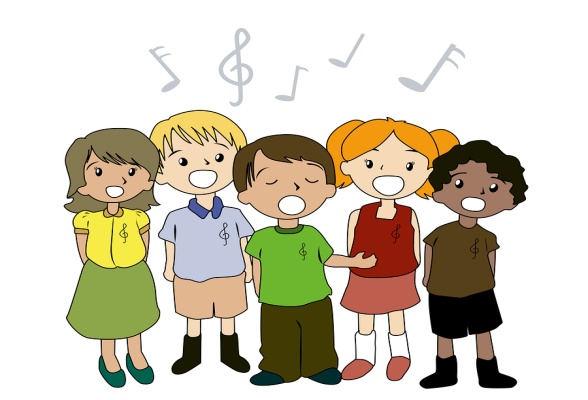
Cartoon of Children Singing

Image source: childrensbooksandmusic.com

Singing is a universal expression of self. There’s a good chance that your child loves to sing even if he is a bit reluctant to speak. Singing therapy, formally called melodic intonation therapy (MIT), is often used as part of a stroke recovery treatment plan. Speech therapists also use it to encourage vocalization in children with speech disorders, such as apraxia.


Continue reading

Collaboration vs. Pull-Out Speech Therapy

Individualized Education Program (IEP) Speech Therapy Techniques
Teacher In Classroom

Image source: speakandwrite.com.au

What is Pull-Out Speech Therapy?

The pull-out model of speech therapy refers to taking a child out of his usual classroom for speech therapy. This could mean either a group session or one-on-one work with the speech-language pathologist (SLP). For example, your child’s Individualized Education Program (IEP) might specify that he will receive two 30-minute speech therapy sessions per week. Using the pull-out model, he will leave his regular classroom to go meet with the speech therapist during these times.

Continue reading

After the IEP Hearing: What’s Next

Individualized Education Program (IEP) Legal Issues
Scales of Justice Cartoon

Image source: jolenemaloney.com

After the exhausting ordeal of an Individualized Education Program (IEP) hearing, it’s tempting to hibernate on the couch watching reruns or playing with Pinterest to decompress. Unfortunately, your work is not yet over.

Continue reading

Encouraging Collaboration in the Classroom

Speech Therapy Techniques
Open House Cartoon

Image source: clover2.k12.sc.us

Every child has his own unique needs and individual learning style. Encouraging collaboration amongst parents, teachers, and speech therapists can help a child learn more effectively in an environment that best suits his needs.

Continue reading

How to Teach the “R” Sound

Speech Therapy Techniques
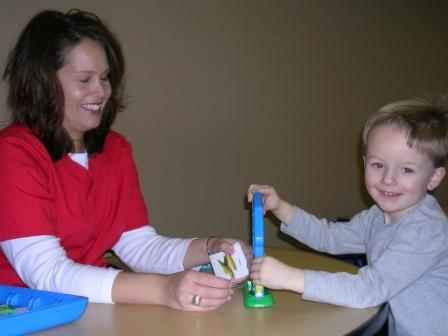
Speech Therapist Working with Child on Articulation

Image source: speechpathclinic.com

The “R” Sound

The “r” sound can be especially challenging to pronounce. It’s a voiced sound, produced by the vibration of the vocal cords. The reason why this particular sound is so difficult to master is that it can be correctly pronounced 8 different ways, depending on the letters with which it is combined. If you factor in the positioning of all of the variations of an “r” at the beginning, middle, or end of a word, you end up with 21 total variations.

Continue reading