
Posted by
Holly F. on
Thursday, January 31st, 2013

Source: ihavesvoice.info
We all know the brain works in mysterious ways, but every so often we are reminded of just how magical it is. This is particularly so when we examine it’s response to music in populations with Language disorders as a speech therapy technique. By now, you may have seen this video of American Idol contestant Lazaro Arbos’ audition. While his rendition of “Bridge Over Troubled Water” is astounding enough, watch what happens to his rather severe stutter when he begins to sing:

Continue Reading
Posted by
Holly F. on
Wednesday, January 30th, 2013

Image Source: www.uncnri.org
How to do children learn new words?
What is the risk of a sibling developing Autism?
If you follow the news headlines you likely already know that developmental research- the science of how children learn and change overtime- is booming. In addition, the causes and implications of developmental disabilities- why some children develop disorders and some do not – is even more dynamic. If you have ever considered involving your child in research, now is the time. Participating in research can be a fun and exciting experience for children of all ages and takes place all over the country. Clinical practices and methods in speech pathology rely heavily on research into how the normal brain and disordered brain works. Child scientists are vital to our communities and can help shed light onto the most pressing developmental issues and help improve speech therapy techniques.
Continue Reading
Posted by
Jacky G. on
Tuesday, January 29th, 2013

Image source: Schools.com
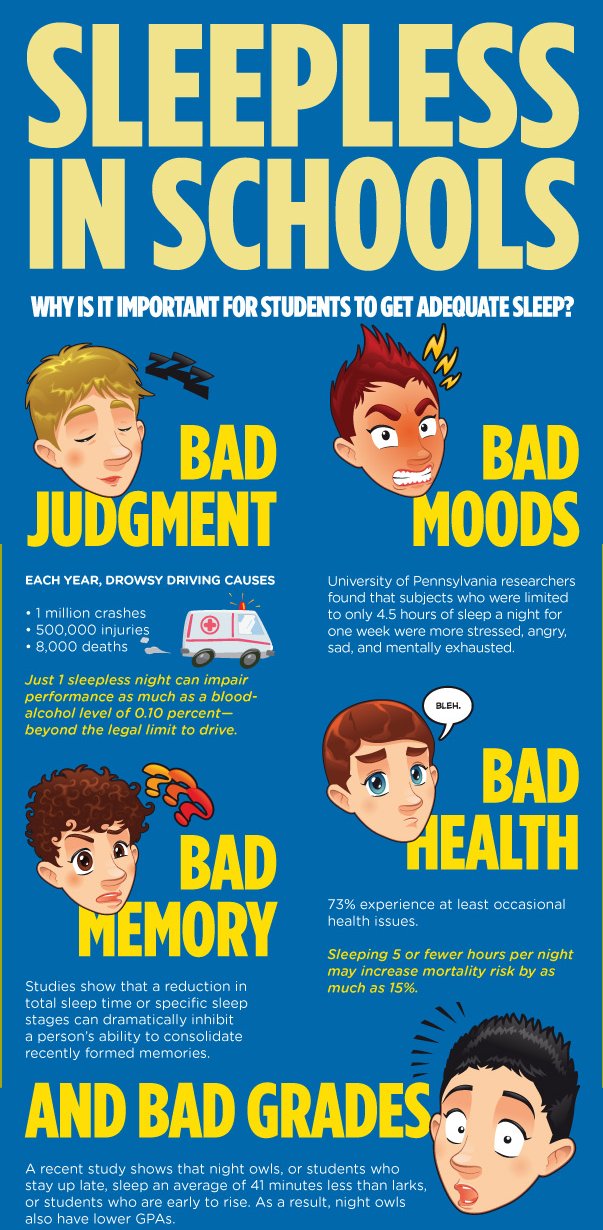
Research out of the University of York and Sheffield Hallam University has shown that a good night’s sleep can help children develop their vocabularies better and retain new words more efficiently. The British study found that when children age seven and up (as well as adults) slept within 12 hours of learning new words, they were more likely to retain the vocabulary. This could change how we present speech therapy techniques for better retention!
Continue Reading
Posted by
Jacky G. on
Monday, January 28th, 2013

Image source: TaylorBugKisses.com
If you live in Atlanta or its bustling metro area and have a special needs child, you’ll be happy to know there is a great new place for you to get out and play with your child in an environment that’s safe, fun and stimulating. Often traditional amusements can be overwhelming, noisy and crowded with people who may not understand how your child wants and needs to interact with their environment. This can be frustrating for you and upsetting for your special needs child. But the great news is, this fun new place in Atlanta’s outskirts is specially made for families just like yours – Sensations TheraFun. This is a place special needs kids can play and thrive and special needs parents can relax and enjoy.
Continue Reading
Posted by
Jacky G. on
Friday, January 25th, 2013

Image source: AlaskaConservationBlog.com
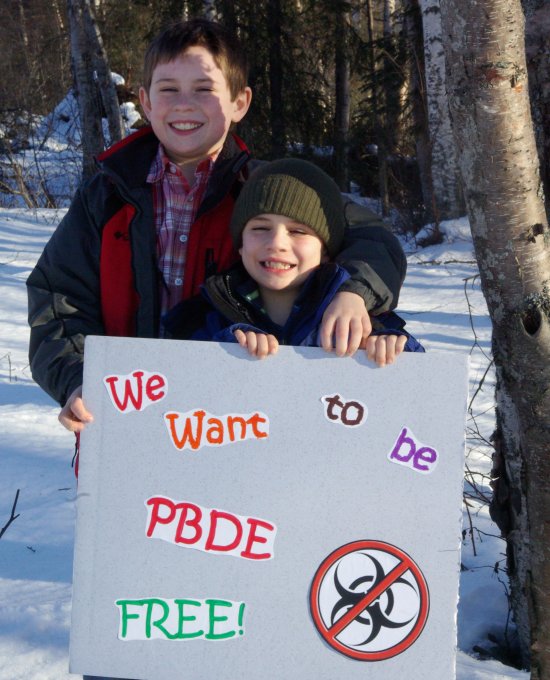
Wow! This is one piece of scary news. A study published in November in the journal Environmental Health Perspectives has linked prenatal and childhood exposure to flame retardant chemicals to certain neuro developmental delays. Yikes! I thought flame retardant products were supposed to keep our children safe, not harm them… The study research was done at University of California’s Berkeley School of Public Health, so I tend to take their findings seriously.
Continue Reading
Posted by
Jacky G. on
Thursday, January 24th, 2013

Image source: ICNetwork.co.uk
You know the saying it takes a village, but when it comes to special needs children, the village can make a striking difference in the effectiveness of speech therapy. Collaboration doesn’t always come easy, but once you have a handle on it, speech therapy techniques can be seamlessly integrated at home and at school so that your efforts build to a greater result. Not only should you see better results with collaborative therapy, but you will see a rapport develop between parents, teachers and the therapist that will foster communication and coordinated efforts toward the common goal of improving a child’s speech.
Continue Reading
1