
How to Prepare for an IEP Hearing

Individualized Education Program (IEP) Legal Issues
Gavel for Court

Image source: apraxiaadventures.com

Disagreeing with an IEP

If you disagree with your child’s Individualized Education Program (IEP), you can try to negotiate with the IEP team to reach a compromise. You may reject the proposed compromise if you feel that it does not serve your child’s best interests. If negotiation fails, the next step is to file a formal complaint with your state’s Department of Education. Assuming that the state agrees to hear your complaint, you will have the opportunity to present your argument before a due process hearing. It’s recommended that you retain an attorney for the hearing.
Continue reading

Building Vocabulary with Apps

Speech Therapy Techniques
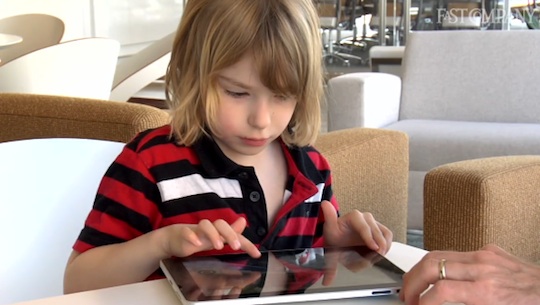
Child Working with iPad

Image source: macgasm.net

Helping your child build his vocabulary will help him to better express his needs and wants and reduce frustration. Speech-language pathologists (SLPs) and parents often use flashcards to teach children new words. If your child becomes easily bored with this activity, try re-engaging his interest by taking advantage of high-tech Internet advances. There are numerous educational apps available specifically for children with speech and language disorders, as well as general vocab apps.

Continue reading

How to Teach the “M” Sound

Speech Therapy Techniques
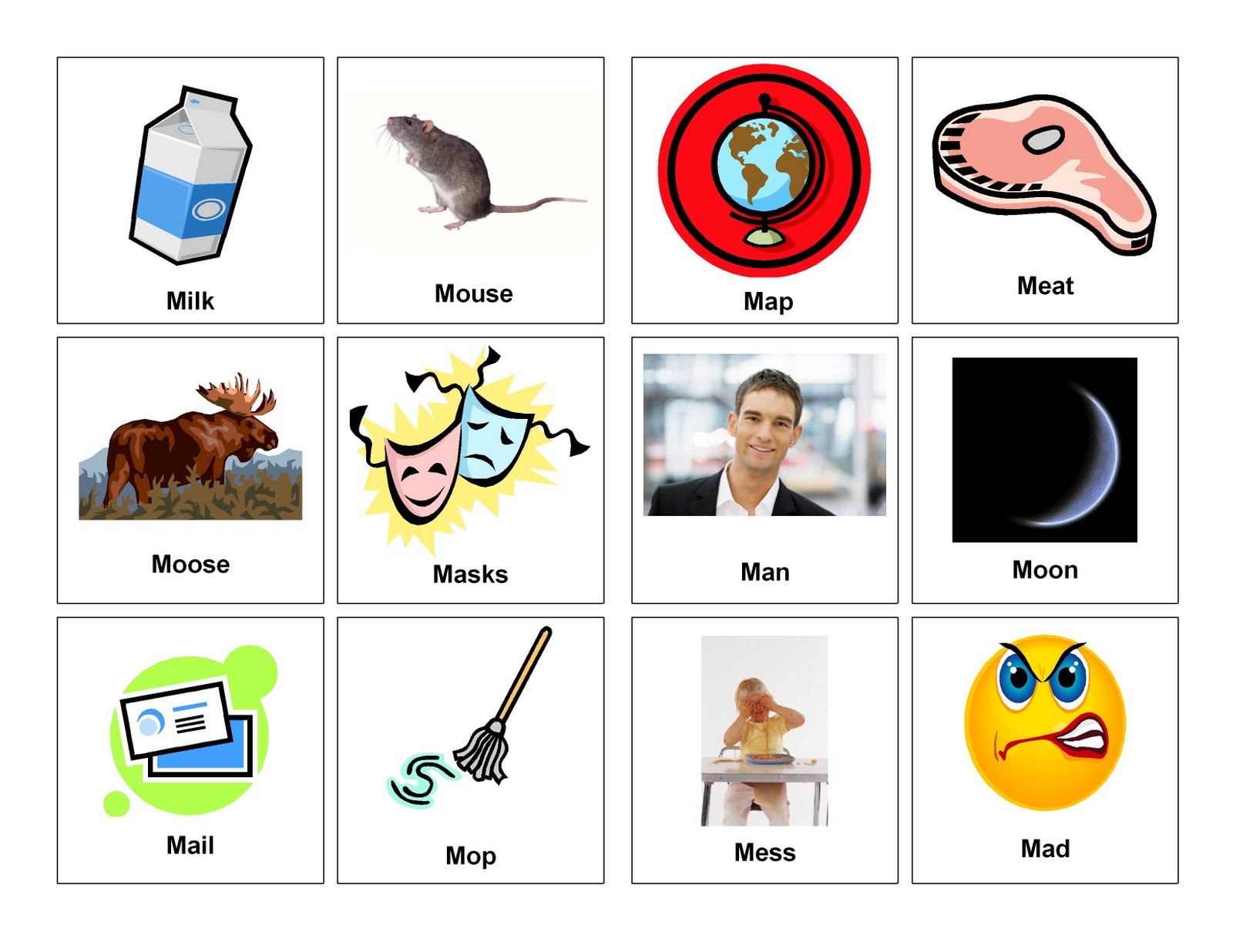
Flashcards with "M" Words

Image source: clearspeechtherapy.blogspot.com

Babies often begin their initial explorations with sounds with the “M” sound. If your baby’s first word was “mama,” he’s not alone. Most children have command over this sound by the time they are two or three, if not earlier. If you think that your child might be displaying difficulties with the “M” sound, consult a speech-language pathologist (SLP) sooner rather than later. Although your child may not yet be old enough to go to school, you can still take advantage of free speech therapy with the Early Intervention program.

Continue reading

Coping with Expressive Language Disorders

Speech Disorders
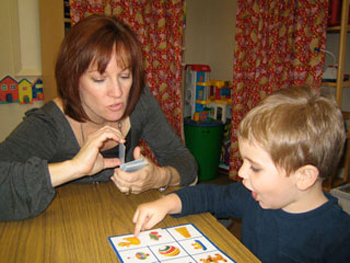
Speech Therapist Working with Child on Vocabulary

Image source: bryanking.net

Expressive language refers to the way in which a person expresses his ideas or feelings verbally or nonverbally. Receptive language refers to the ability of a person to understand another person’s communication. A child could have a mixed expressive and receptive language disorder or just an expressive language disorder. A developmental expressive language disorder has no known cause, while an acquired disorder is generally the result of a traumatic brain injury or a similar medical problem.

Continue reading

Using the Phone for Stutterers

Speech Therapy Techniques
Frustrated Child Looking at the Phone

Image source: momsmiami.com

A child who stutters often sees the world from a different perspective once he becomes aware of his atypical speech. In school, he may go out of his way to avoid giving oral presentations or raising his hand to answer a question. At birthday parties, he might resist talking to other children. Children who stutter also might avoid talking on the phone. Parents can help their child become more comfortable with phone calls by teaching them how to prepare for a call, how to stay relaxed during it, and how to learn from the experience. Becoming more comfortable with using a phone while the child is young can help him succeed later in life.

Continue reading